Hello and Welcome

The Universal Psychology Network is a non-profit organization comprised of people brought together for a common purpose… to discuss, create and generate holistic health resources and training based on the universal health benefits of the past. The aim of UPN is to continue to develop helpful resources that deliver ancient psychology, philosophy and spirituality, combined with modern science. The overall goal is to help maintain, and potentially improve, the psychospiritual health of ALL individuals — regardless of their gender, cultural or social group (For more information, see https://www.facebook.com/universal.psych.net).

why ancient KNOWLEDGE?

The Original Peoples from around the world understood that a combination of psychology, philosophy, spirituality, morality and earth sciences were necessary to live ‘a good life.’ They also lived in accord with the laws of nature, and used it for healing. This combined approach to a person’s health meant that they could weather life’s storms and be more resilient. Yoga is a good example. With its origins rooted in Northern India, people have been practicing yoga for more than five thousand years, with positive effect.

What is Adolescent SIT Shadow Work™ and Why Should We Do it?

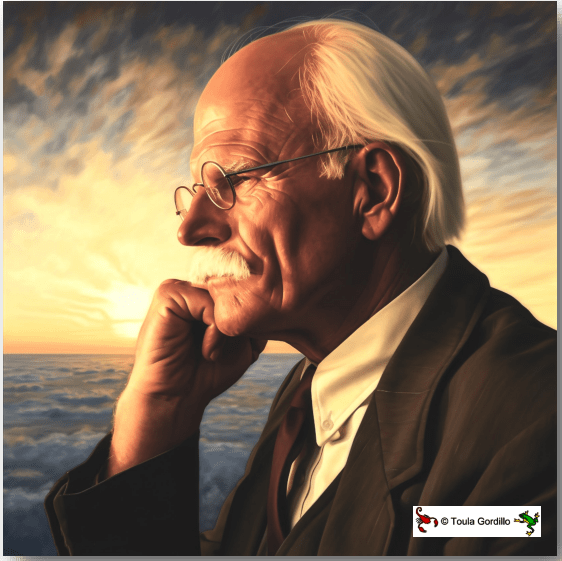
The famous Swiss psychiatrist and psychologist, Dr Carl Jung, was the first person to talk about our ‘Shadow Self’. By this, he meant the dark side of our personality. It’s the part that we keep hidden, suppressed/repressed, or don’t wish to acknowledge. Most often, we are not even aware of its’ existence… until we are triggered.

If we had significant problems and pain during our teen years, for example, these can leave an invisible scar. We may have experienced emotions such as intense confusion, felt as though we were abandoned, thought we were inadequate and not good enough etc. We must learn to work through these feelings as a teenager, and how to make some sort of meaning out of them, or they will continue to haunt us well into our adult years.

Emotions are often exaggerated during adolescence, so whatever we may have felt will likely be magnified. Pleasant events can lead to euphoria when things are going well. We can experience intense excitement for the future, and our first love can bring a roller-coaster of emotions we’ve never felt before. Unpleasant events, however, can also lead us into the deep pit of adolescent despair when things are not going well.

If we don’t deal with our adolescent issues during our teen years, our psychological ‘wounds’ will lie dormant until we experience a situation that is somehow reminiscent of what we experienced as an adolescent. When we are triggered, for example, we will likely overreact to the situation, acting in an irrational manner almost as if our teenage self has emerged. Sometimes we can feel like we have reverted back to feeling like a moody teenager again, screaming to be heard!

Our adolescent wounds will not be silenced. Eventually, they will make themselves known. When once again triggered by external events, old familiar pains will once again resurface. It’s almost as if our psyche is giving us yet another chance to work on our former issues. Ironically, it seems that the universe will keep giving us more and more opportunities to learn… until we work through our adolescent ‘stuff’. This is where adolescent shadow work, as an adult, can be helpful.

Story Image Therapy (SIT®) and adolescent SIT Shadow Work™ was developed by clinical and Jungian psychologist, Dr Toula Gordillo. She uses ancient and modern symbolic stories to help a person to remember the story and its associated images: the sights, sounds, smells; our adolescent experience. Dr Toula Gordillo, the founder of Story Image Therapy, calls it our ‘significant story’. That is, the narrative that is most significant to us.

After consciously identifying their ‘significant story’, Dr Toula will then encourage the person to use their active imagination (mythos) to re-imagine the narrative. This active imagination technique was advocated by Dr Carl Jung, the early transpersonal psychology pioneer and founder of analytical psychology, for healing.

Once the person has imagined their ‘significant story’, Dr Toula then uses the practical logical strategies (logos) promoted by the ancient Greek and Roman Stoic philosophers to help a person to reason out the emotions of their inner adolescent Self. This exercise can help a person to reach a state of acceptance of what is… to let go so they can move on with their lives, rather than being ‘stuck’ (and reverting back to adolescence). This is especially likely to occur during a particularly stressful period in adult life, so effective stress coping is also covered during adolescent SIT® Shadow Work™.

Massage Therapy for Healing

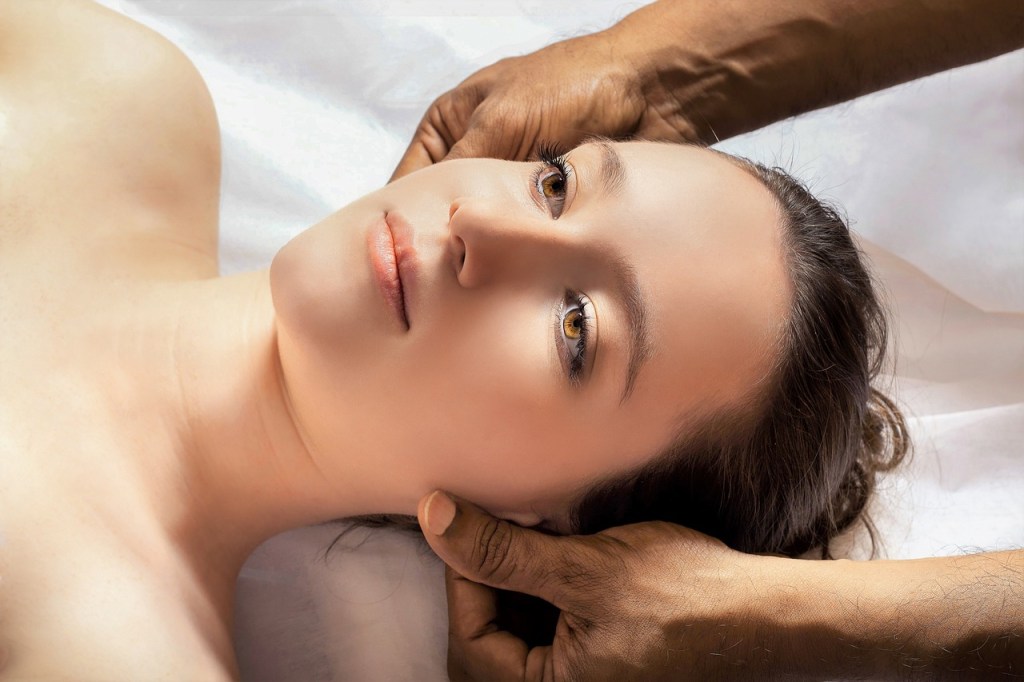
Massage therapy is a hands-on method of healing. It originated from techniques dating back to 2700 BCE in ancient India. Originally considered a sacred system of natural healing, massage therapy was a practice passed down through generations to heal injuries, relieve pain, and prevent and cure illnesses.

In Ayurveda, or ‘life health’ medicine, advocates believe that illness and disease are caused when people are out of balance with their environment. Ayurvedic massage therapy involves applying warm herbal oils to rejuvenate the body. The oils are selected according to a person’s condition and is applied with sweeping flowing strokes. The correct choice of oil is what determines the effectiveness of traditional Ayurvedic massage.

Today, massage therapy is one of the most commonly practiced forms of holistic medicine. It encompasses a variety of techniques and practices to assist in the healing of many types of mental and physical ailments.

modern massage

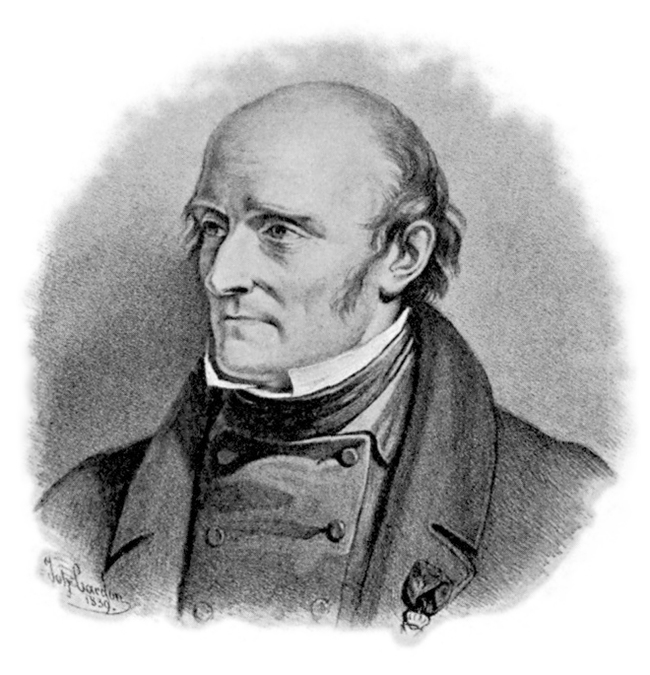
Massage uses physical techniques such as kneading, cupping, rubbing and applying pressure to areas of the body to induce healing. Classic massage, also known as Swedish massage, was credited to Henrik Ling. Ling was a Swedish physical therapist and teacher of medical-gymnastics, born in 1776 AD. Ling is now widely known as the father of modern massage.

Massage is believed to restore the body’s natural and physical balance so that it can heal naturally. No longer only for the wealthy in expensive day-spas or health clubs, today it is widely considered part of integrative medicine and is accessible for the average person. It’s also an excellent way to help improve their mental and physical well-being.

Massage therapists may press, rub or manipulate skin, muscles, tendons and ligaments. Pressure levels exerted by therapists range, depending on the person, the method they were trained in, and the desired results.

massage therapy usefulness

Massage therapy is generally used to reduce stress and increase pain relief. Other conditions it can be helpful for include:

  • Mental health issues eg., anxiety, depression
  • General and nerve pain eg., fibromyalgia, headache, sports injuries and headache
  • Stress related problems e.g., insomnia, anger, fatigue
  • Other related conditions eg., scar tissue strains and pain

It also has mental health benefits, including:

  • Lowered stress levels
  • Improved relaxation, mood and energy
  • Decreased anxiety
  • Increased feeling of health and wellbeing

What Stands in the Way

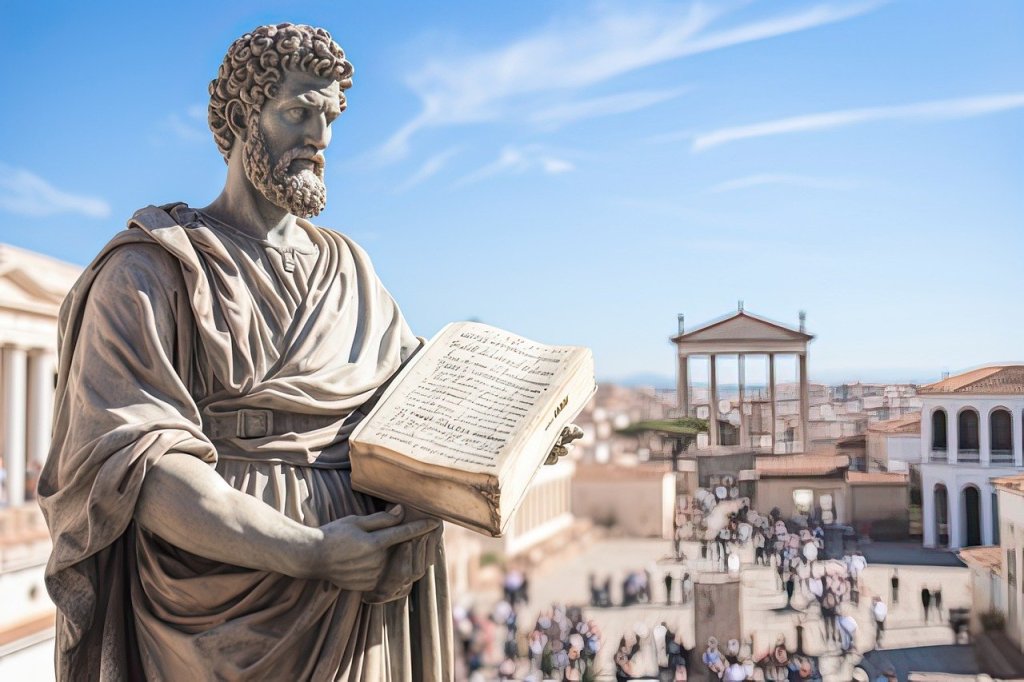
Ancient Greco-Roman Stoic philosophy originated over two thousand years ago. Yet, it can still help people endure adversity today. Stoicism contains a series of mental exercises that demonstrate how to overcome personal obstacles with courage, gratitude, perseverance and resilience. One of its key themes is focusing on what we can control, rather than what we can’t.

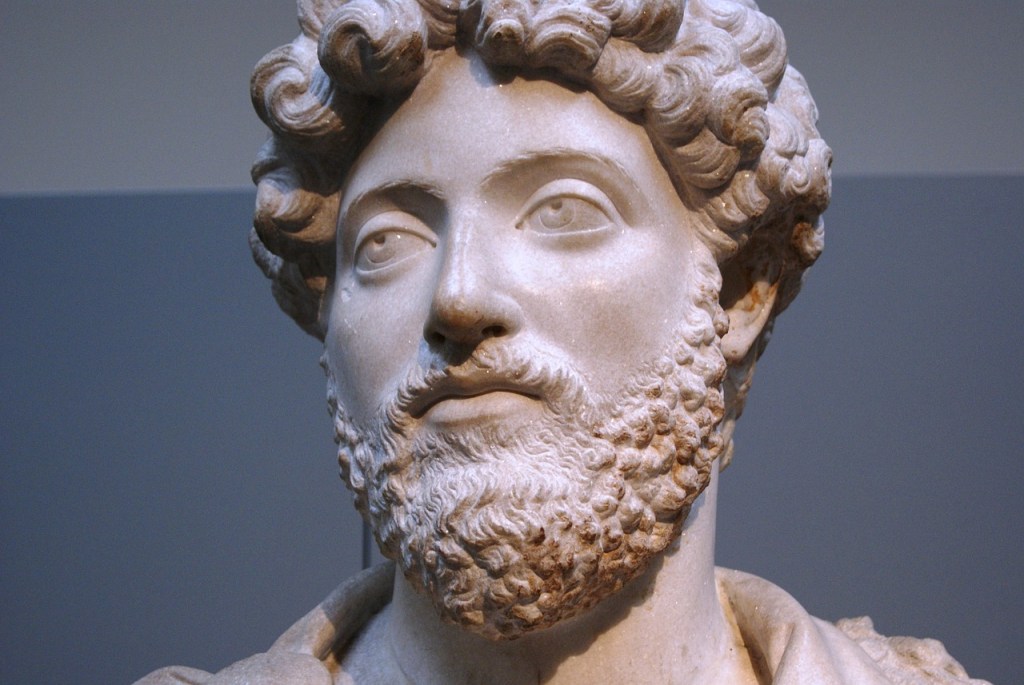
Modern Stoics follow the advice of Stoic sages. These ‘sages’ were very diverse in their social, economic, physical and political freedom. They ranged from the crippled Greek slave Epictetus (whom many believe may have also been illiterate) to the virtuous Roman Emperor, Marcus Aurelius. Their great divide in social standing demonstrates that Stoic philosophy is universally applicable to all. This is why Stoic strategies are included in the story-image resources produced by the Universal Psychology Network.

By focusing on the things we can control, and letting go of everything else, we can turn every new obstacle into an opportunity to get better, stronger, mentally tougher. That is, to be more resilient. How did Emperor Aurelius suggest we do this? He reminded us: “The impediment to action advances action. What stands in the way becomes the way.” 

Some of the most successful people in history—including John D. Rockefeller, Amelia Earhart, Nelson Mandela, even Steve Jobs—have used Stoic strategies to overcome difficult, seemingly impossible situations. Their embrace of Stoic principles helped them to turn their tragedies into their greatest triumphs…. and it can do the same for us.