

Ancient Greco-Roman Stoic philosophy originated over two thousand years ago. Yet, it can still help people endure adversity today. Stoicism contains a series of mental exercises that demonstrate how to overcome personal obstacles with courage, gratitude, perseverance and resilience. One of its key themes is focusing on what we can control, rather than what we can’t.
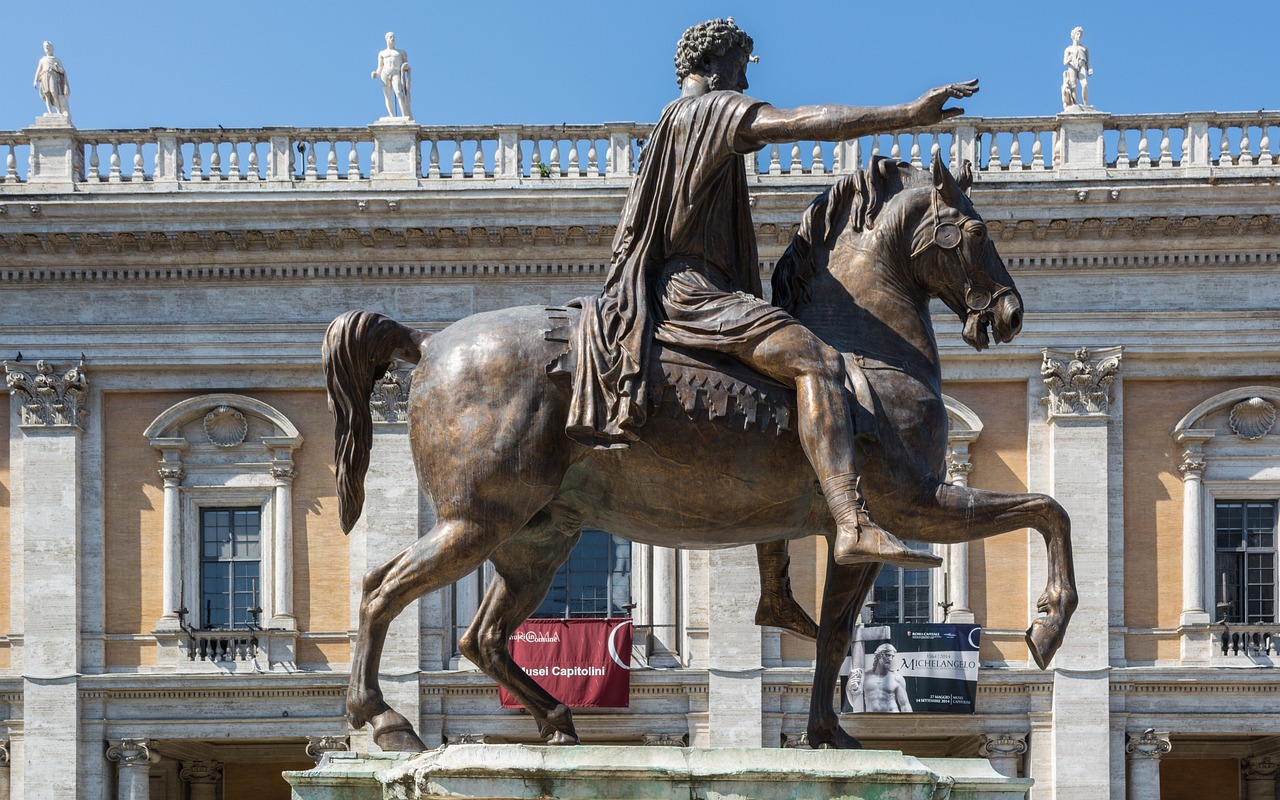
Modern Stoics follow the advice of Stoic sages. These ‘sages’ were very diverse in their social, economic, physical and political freedom. They ranged from the crippled Greek slave Epictetus (whom many believe may have also been illiterate) to the virtuous Roman Emperor, Marcus Aurelius. Their great divide in social standing demonstrates that Stoic philosophy is universally applicable to all. This is why Stoic strategies are included in the story-image resources produced by the Universal Psychology Network.
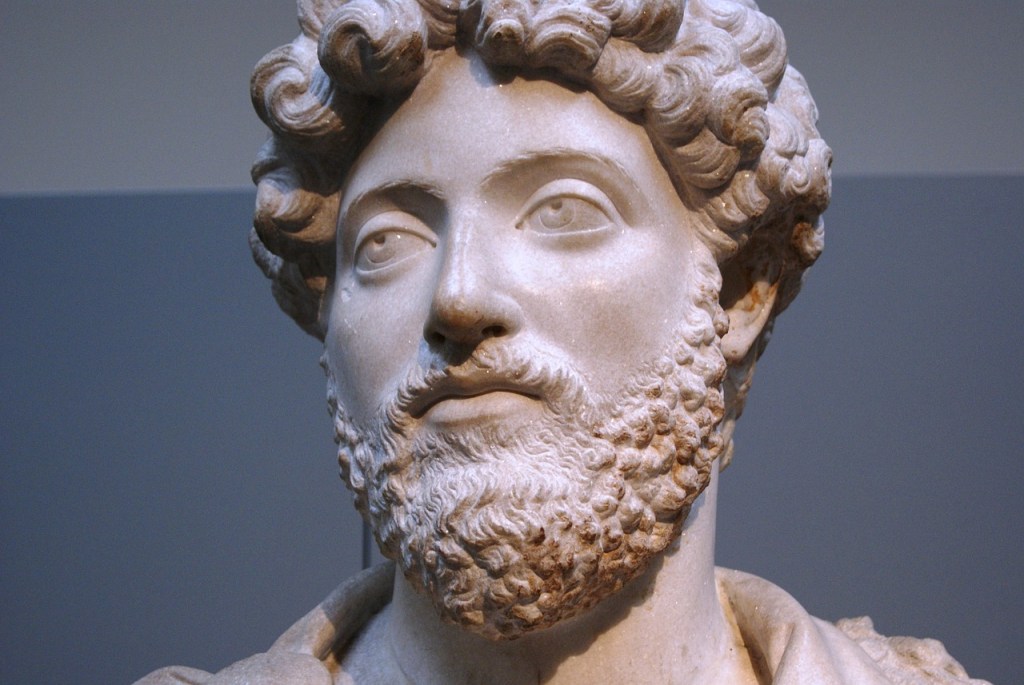
By focusing on the things we can control, and letting go of everything else, we can turn every new obstacle into an opportunity to get better, stronger, mentally tougher. That is, to be more resilient. How did Emperor Aurelius suggest we do this? He reminded us: “The impediment to action advances action. What stands in the way becomes the way.”
Some of the most successful people in history—including John D. Rockefeller, Amelia Earhart, Nelson Mandela, even Steve Jobs—have used Stoic strategies to overcome difficult, seemingly impossible situations. Their embrace of Stoic principles helped them to turn their tragedies into their greatest triumphs…. and it can do the same for us.

 Universal Psychology Network