
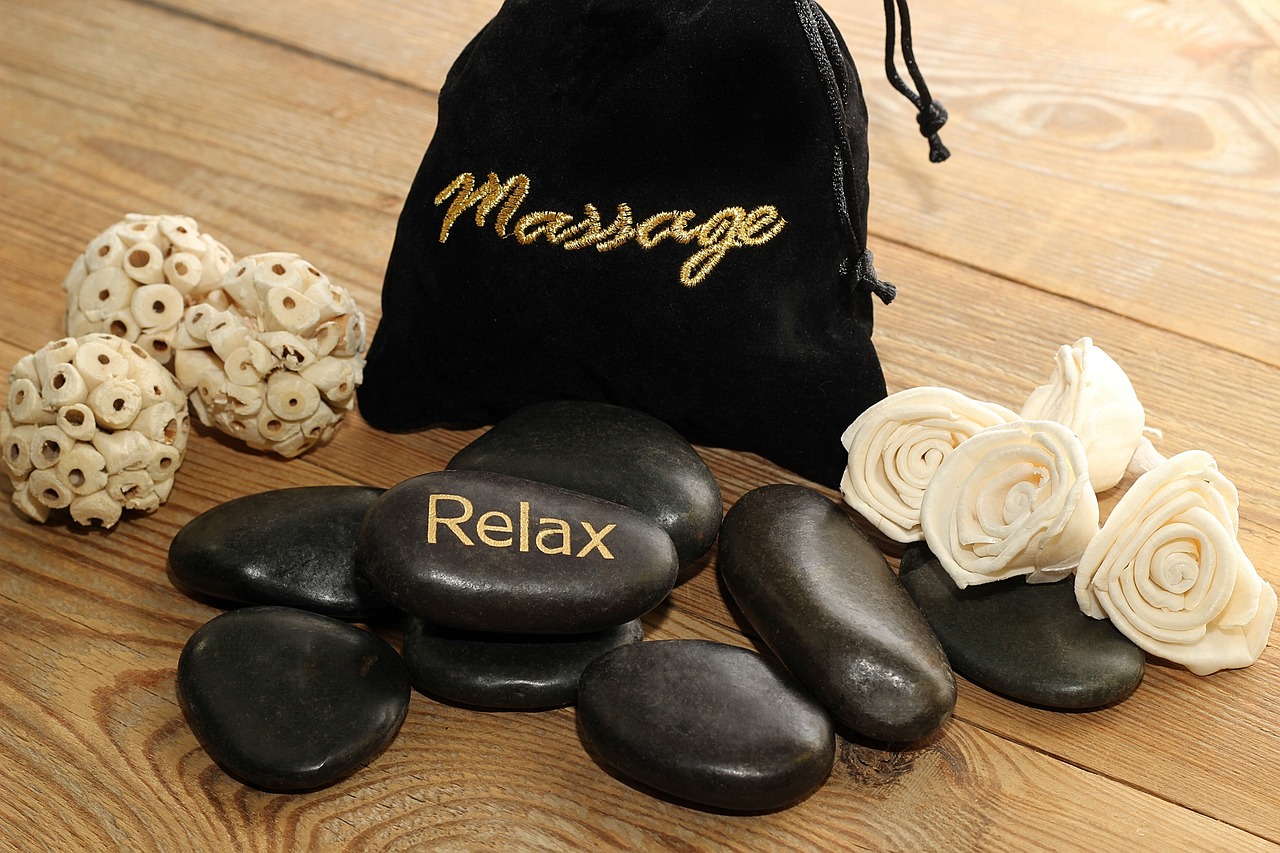

Massage therapy is a hands-on method of healing. It originated from techniques dating back to 2700 BCE in ancient India. Originally considered a sacred system of natural healing, massage therapy was a practice passed down through generations to heal injuries, relieve pain, and prevent and cure illnesses.
In Ayurveda, or ‘life health’ medicine, advocates believe that illness and disease are caused when people are out of balance with their environment. Ayurvedic massage therapy involves applying warm herbal oils to rejuvenate the body. The oils are selected according to a person’s condition and is applied with sweeping flowing strokes. The correct choice of oil is what determines the effectiveness of traditional Ayurvedic massage.
Today, massage therapy is one of the most commonly practiced forms of holistic medicine. It encompasses a variety of techniques and practices to assist in the healing of many types of mental and physical ailments.
modern massage
Massage uses physical techniques such as kneading, cupping, rubbing and applying pressure to areas of the body to induce healing. Classic massage, also known as Swedish massage, was credited to Henrik Ling. Ling was a Swedish physical therapist and teacher of medical-gymnastics, born in 1776 AD. Ling is now widely known as the father of modern massage.
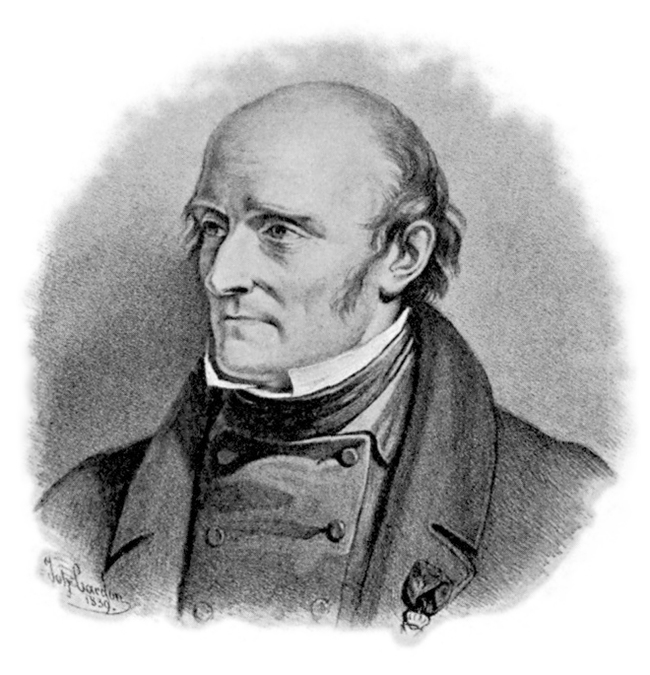
Massage is believed to restore the body’s natural and physical balance so that it can heal naturally. No longer only for the wealthy in expensive day-spas or health clubs, today it is widely considered part of integrative medicine and is accessible for the average person. It’s also an excellent way to help improve their mental and physical well-being.
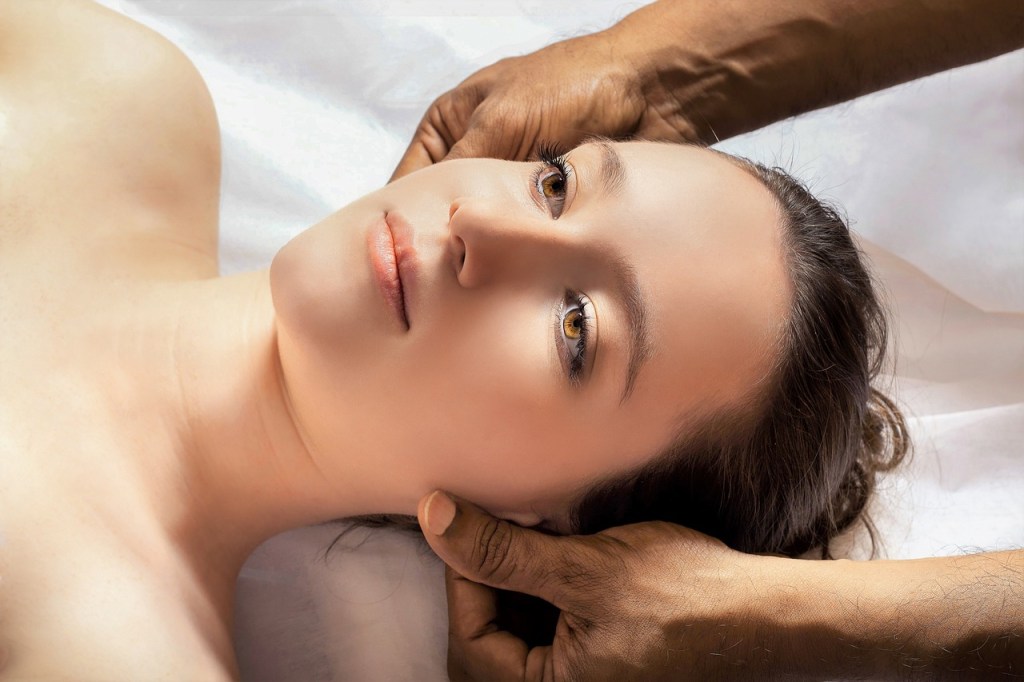
Massage therapists may press, rub or manipulate skin, muscles, tendons and ligaments. Pressure levels exerted by therapists range, depending on the person, the method they were trained in, and the desired results.
massage therapy usefulness
Massage therapy is generally used to reduce stress and increase pain relief. Other conditions it can be helpful for include:
- Mental health issues eg., anxiety, depression
- General and nerve pain eg., fibromyalgia, headache, sports injuries and headache
- Stress related problems e.g., insomnia, anger, fatigue
- Other related conditions eg., scar tissue strains and pain
It also has mental health benefits, including:
- Lowered stress levels
- Improved relaxation, mood and energy
- Decreased anxiety
- Increased feeling of health and wellbeing

 Universal Psychology Network