
The Universal Psychology Network (UPN) generates discussion, training and natural health resources for the world today. It does this through the creation and distribution of ancient and modern, universally applicable STORIES & IMAGES. UPN distributes Jungian psychology, philosophy and non-religious spirituality (in conjunction with other world philosophies) relevant to everyone. It employs the myth-based stories and images promoted by the Swiss psychiatrist and founder of analytical psychology, Dr Carl Jung.
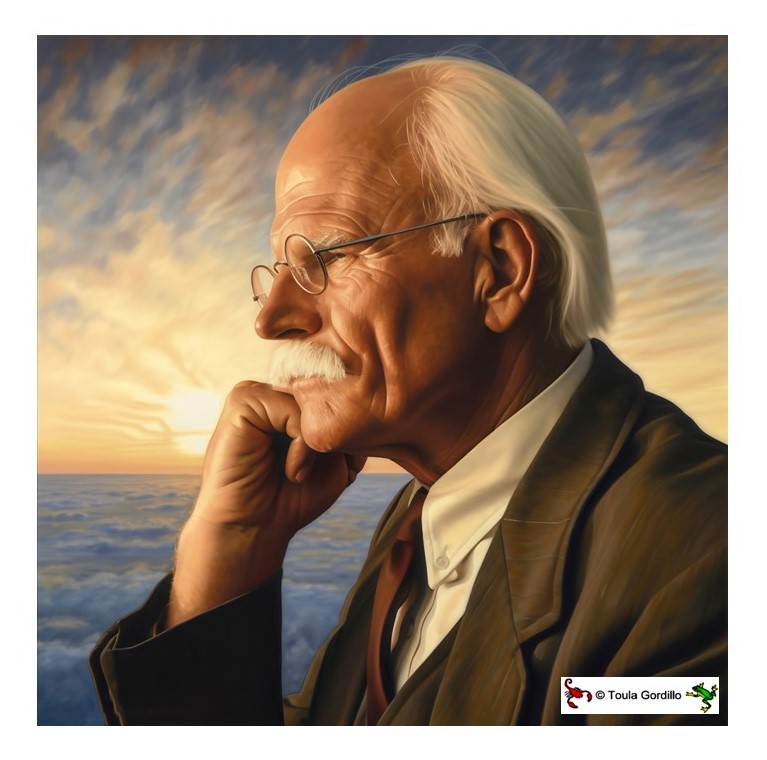
Jung had a holistic understanding of contemporary problems in a historical, spiritual, cultural, and philosophical context. He was an early transpersonal (spiritual) psychology pioneer who understood the importance of recognising, embracing and integrating the ‘shadow self’ (the part of ourselves we keep hidden, repressed or don’t even recognise). This understanding came from his own lived experience. Jung further understood the value of a connection to the natural world and the creative process (using our active imagination) for positive health and healing.
UPN also promotes the natural law philosophy advocated by the ancient Stoic, Taoist and Buddhist philosophers. This hybrid between Jung’s depth psychology insights and the world’s natural law philosophies can be especially helpful in an increasingly complex, challenging, stressful world.
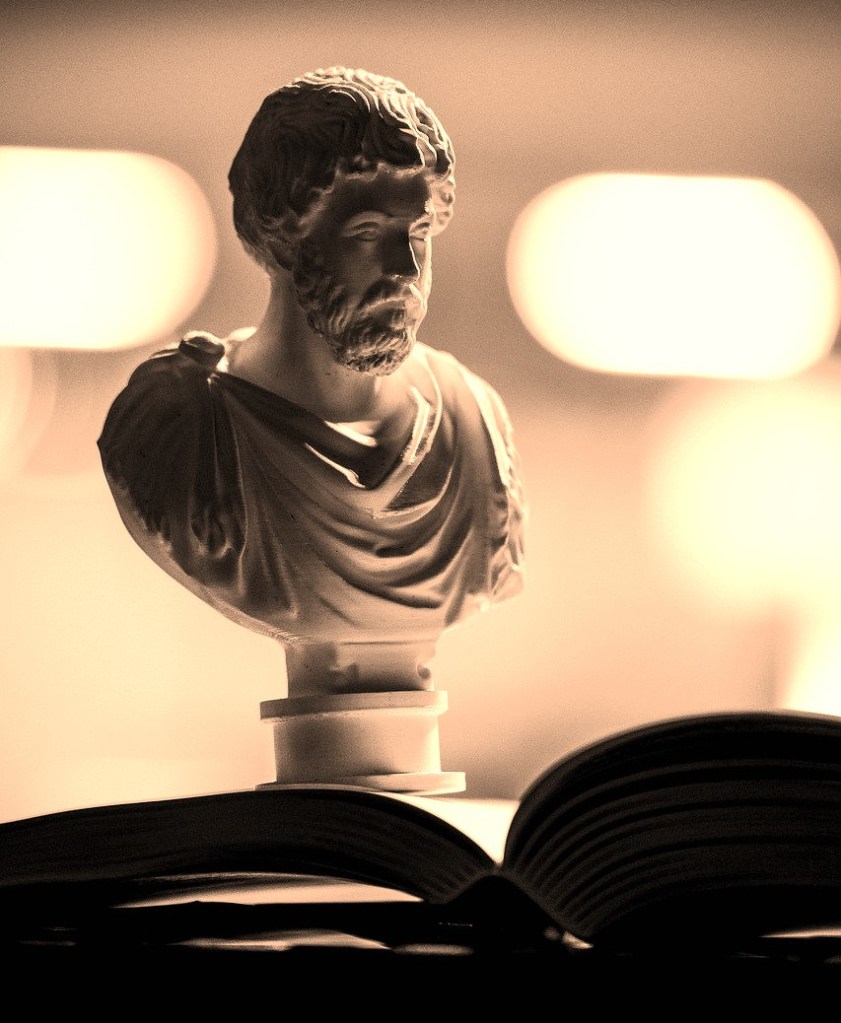
shadow work
Topics discussed via the resources produced by the Universal Psychology Network further include Jung’s ideas on the importance of shadow work. Jung claimed it is necessary to become conscious of our unconscious thoughts, feelings, behaviours, and other patterns if we wish to change them to improve our lives.
By becoming more aware of our ancestral past, what Jung called our collective unconscious, and how it plays a role in our lives today, we are then in a position to challenge our ego. That is, our conscious thoughts, feelings and behaviours that may be unhelpful for us, and contributing to our mental health difficulties. Improving our mental health, therefore, involves becoming conscious of what is in our shadow.
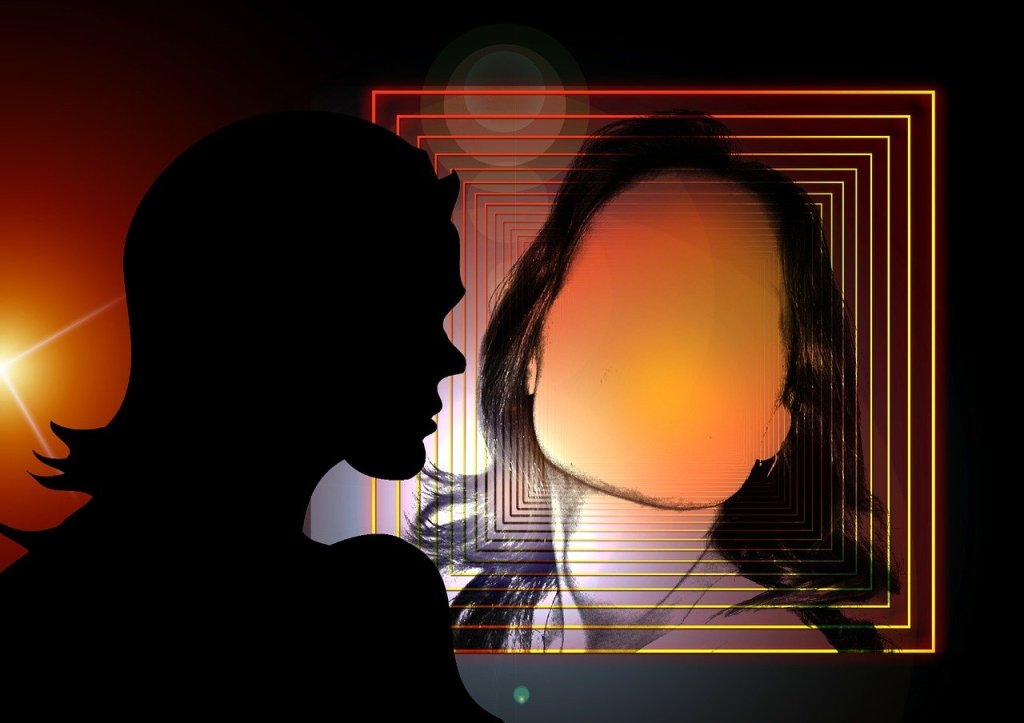
natural law philosophy
The philosophy of natural law was promoted by various original thinkers in history. They include Buddha (who generated Buddhist philosophy in northeastern India sometime between late 6th century and 4th century BCE), Lao Tzu (the originator of Taoist philosophy also around the 6th century BCE in the eastern province of China called Henan), and Zeno of Citium (who founded Stoic philosophy around 300 BCE in Athens, Italy).
Each of these philosophers experienced some form of sadness or hardship in various parts of the world. To overcome this pain, they learned the importance of (and emphasized the importance of living in accord with natures’ basic laws for holistic health and the world’s healing. By connecting to the natural world today in the ways endorsed by our ancient ancestors, and supported by modern science, we can restore our internal balance, reduce mental health problems, and find our true sense of Self.

 Universal Psychology Network