


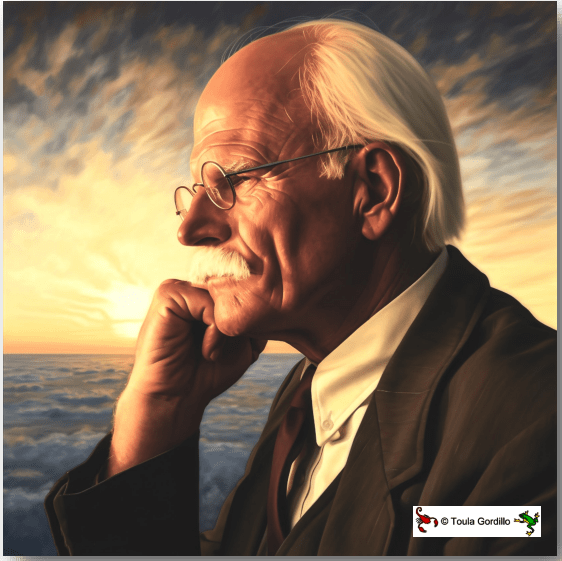
The famous Swiss psychiatrist and psychologist, Dr Carl Jung, was the first person to talk about our ‘Shadow Self’. By this, he meant the dark side of our personality. It’s the part that we keep hidden, suppressed/repressed, or don’t wish to acknowledge. Most often, we are not even aware of its’ existence… until we are triggered.
If we had significant problems and pain during our teen years, for example, these can leave an invisible scar. We may have experienced emotions such as intense confusion, felt as though we were abandoned, thought we were inadequate and not good enough etc. We must learn to work through these feelings as a teenager, and how to make some sort of meaning out of them, or they will continue to haunt us well into our adult years.

Emotions are often exaggerated during adolescence, so whatever we may have felt will likely be magnified. Pleasant events can lead to euphoria when things are going well. We can experience intense excitement for the future, and our first love can bring a roller-coaster of emotions we’ve never felt before. Unpleasant events, however, can also lead us into the deep pit of adolescent despair when things are not going well.
If we don’t deal with our adolescent issues during our teen years, our psychological ‘wounds’ will lie dormant until we experience a situation that is somehow reminiscent of what we experienced as an adolescent. When we are triggered, for example, we will likely overreact to the situation, acting in an irrational manner almost as if our teenage self has emerged. Sometimes we can feel like we have reverted back to feeling like a moody teenager again, screaming to be heard!

Our adolescent wounds will not be silenced. Eventually, they will make themselves known. When once again triggered by external events, old familiar pains will once again resurface. It’s almost as if our psyche is giving us yet another chance to work on our former issues. Ironically, it seems that the universe will keep giving us more and more opportunities to learn… until we work through our adolescent ‘stuff’. This is where adolescent shadow work, as an adult, can be helpful.
Story Image Therapy (SIT®) and adolescent SIT Shadow Work™ was developed by clinical and Jungian psychologist, Dr Toula Gordillo. She uses ancient and modern symbolic stories to help a person to remember the story and its associated images: the sights, sounds, smells; our adolescent experience. Dr Toula Gordillo, the founder of Story Image Therapy, calls it our ‘significant story’. That is, the narrative that is most significant to us.
After consciously identifying their ‘significant story’, Dr Toula will then encourage the person to use their active imagination (mythos) to re-imagine the narrative. This active imagination technique was advocated by Dr Carl Jung, the early transpersonal psychology pioneer and founder of analytical psychology, for healing.
Once the person has imagined their ‘significant story’, Dr Toula then uses the practical logical strategies (logos) promoted by the ancient Greek and Roman Stoic philosophers to help a person to reason out the emotions of their inner adolescent Self. This exercise can help a person to reach a state of acceptance of what is… to let go so they can move on with their lives, rather than being ‘stuck’ (and reverting back to adolescence). This is especially likely to occur during a particularly stressful period in adult life, so effective stress coping is also covered during adolescent SIT® Shadow Work™.

 Universal Psychology Network